
Samen Zob
Specialized Casting of Industrial & Mining Parts
Samen Zob
Specialized Casting of Industrial & Mining Parts
Samen Zob
Specialized Casting of Industrial & Mining Parts
Specialized Casting of Industrial & Mining Parts
Specialized Casting of Industrial & Mining Parts
Specialized Casting of Industrial & Mining Parts

Foundry operations at Samen Zob follow a documented and traceable workflow that connects theory, production practice, and quality validation. Articles in this section explore the full foundry lifecycle, including pattern design logic, molding systems, melting and alloy preparation, pouring control, solidification behavior, and post-casting treatments. Each topic is addressed with a process-oriented perspective, emphasizing cause-and-effect relationships, critical parameters, and practical solutions derived from high-volume industrial casting environments. This structured workflow approach ensures technical consistency, reduces process variability, and supports informed decision-making throughout the casting chain.
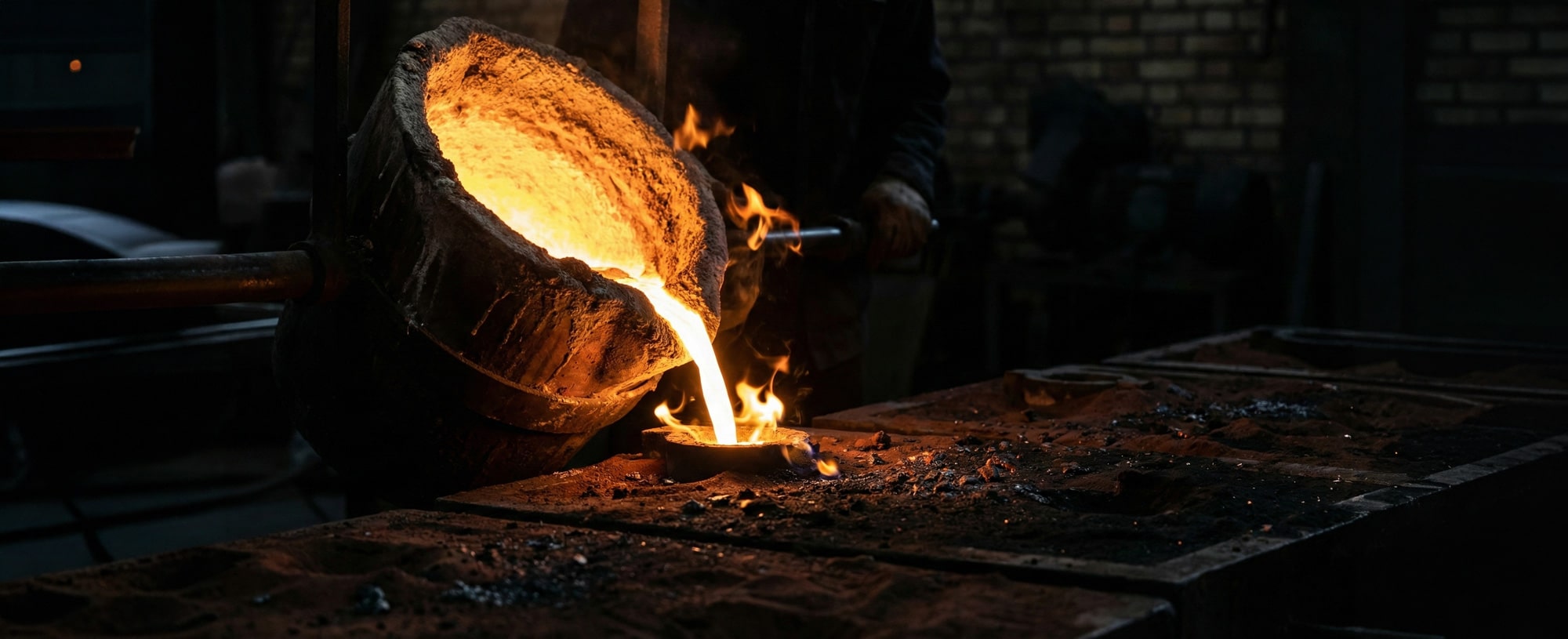
Controlled copper melting and clean pouring produce dense castings with stable conductivity tight tolerances, and consistent surface integrity for industry use.
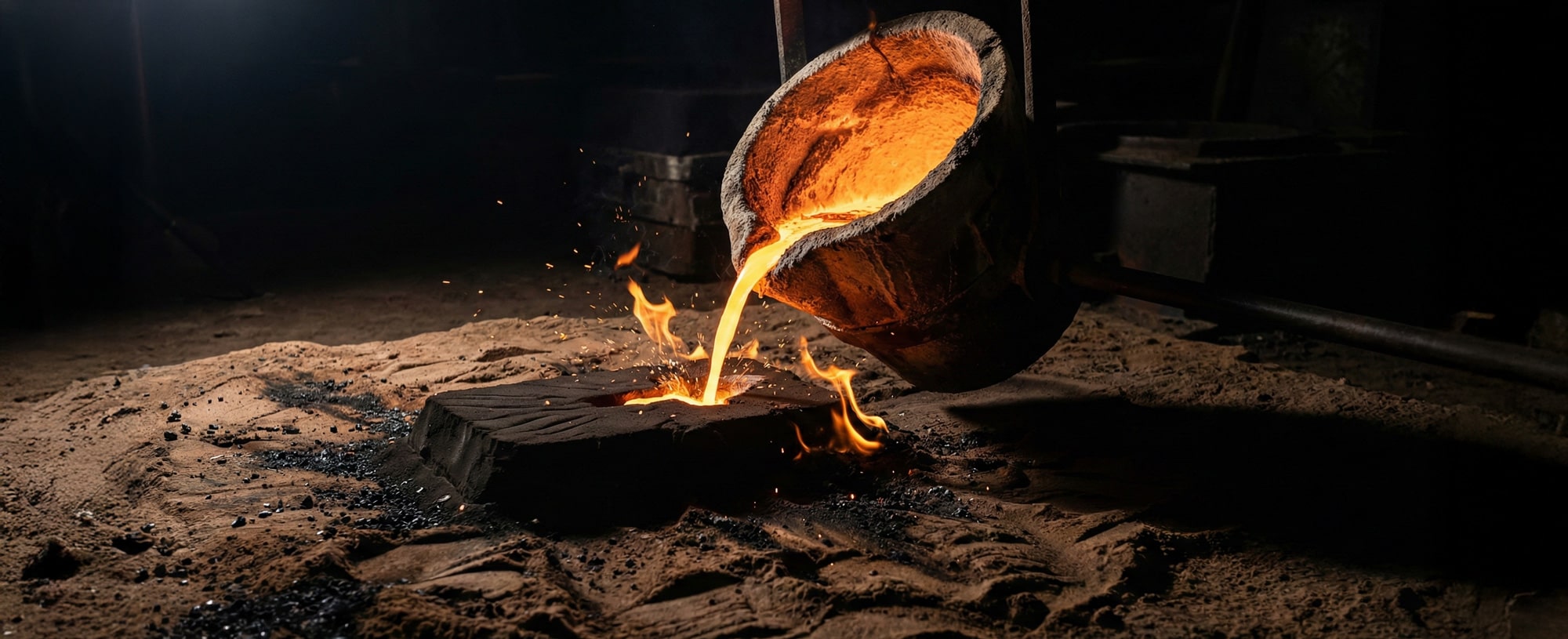
Tailored ductile and iron melts inoculation control, and solidification tuning to deliver durable castings with balanced strength, ductility, and machinability.
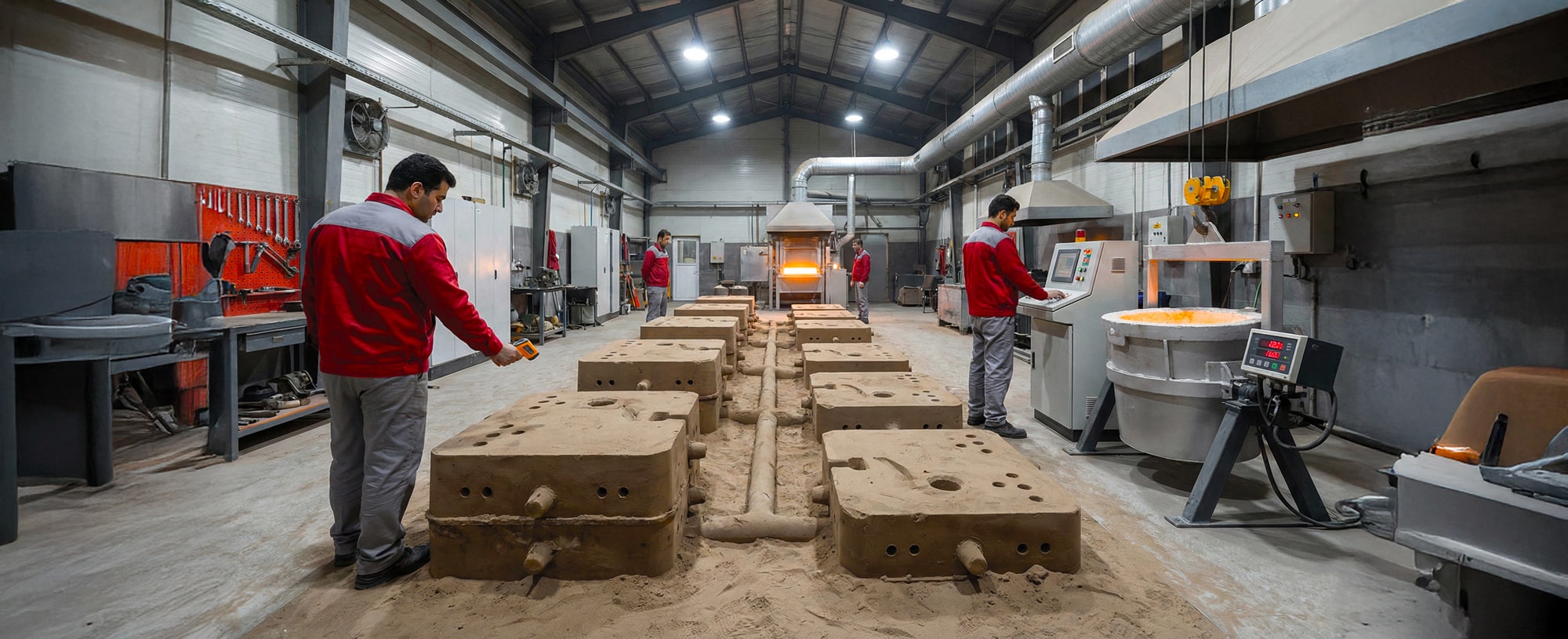
Digitally guided process control, repeatable molding, and monitored pouring enable consistency reduced scrap rates, and reliable quality across production runs.
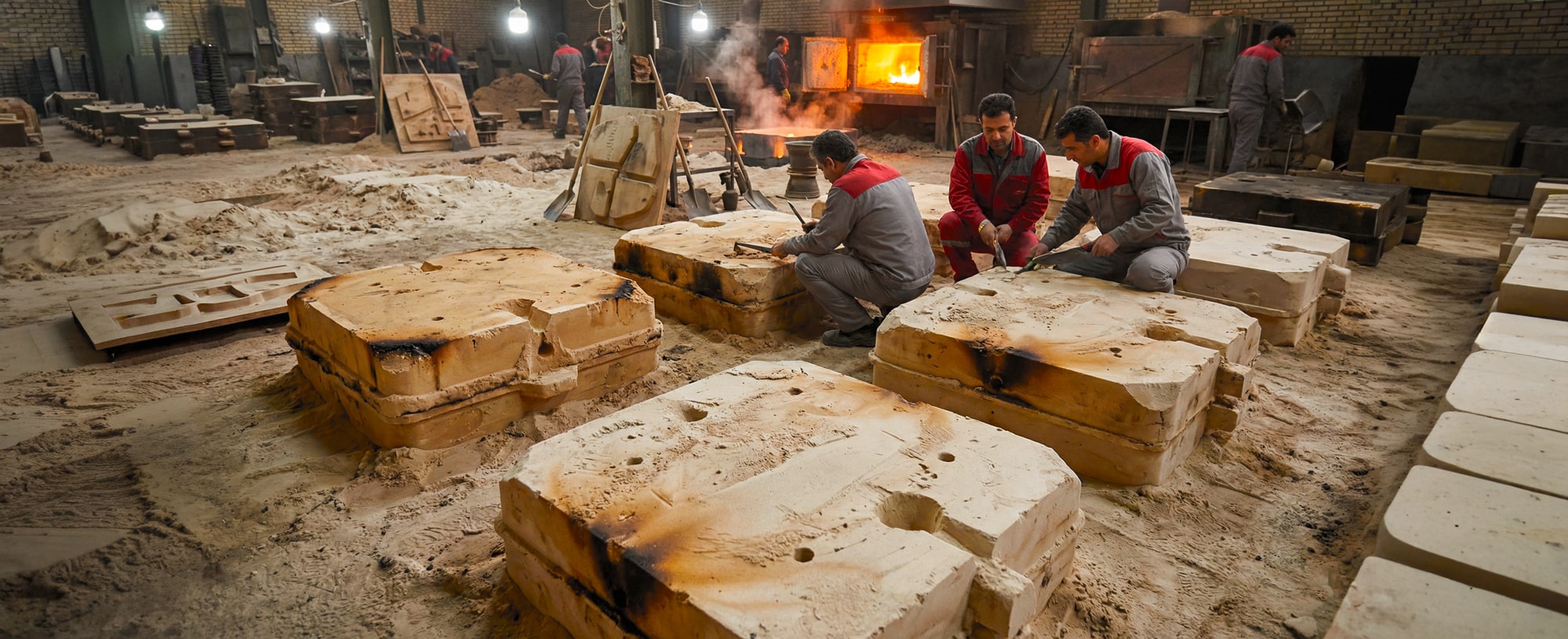
Engineered sand systems and optimized gating support more versatile geometries stable mold strength, and cost-efficient casting for medium and large components.
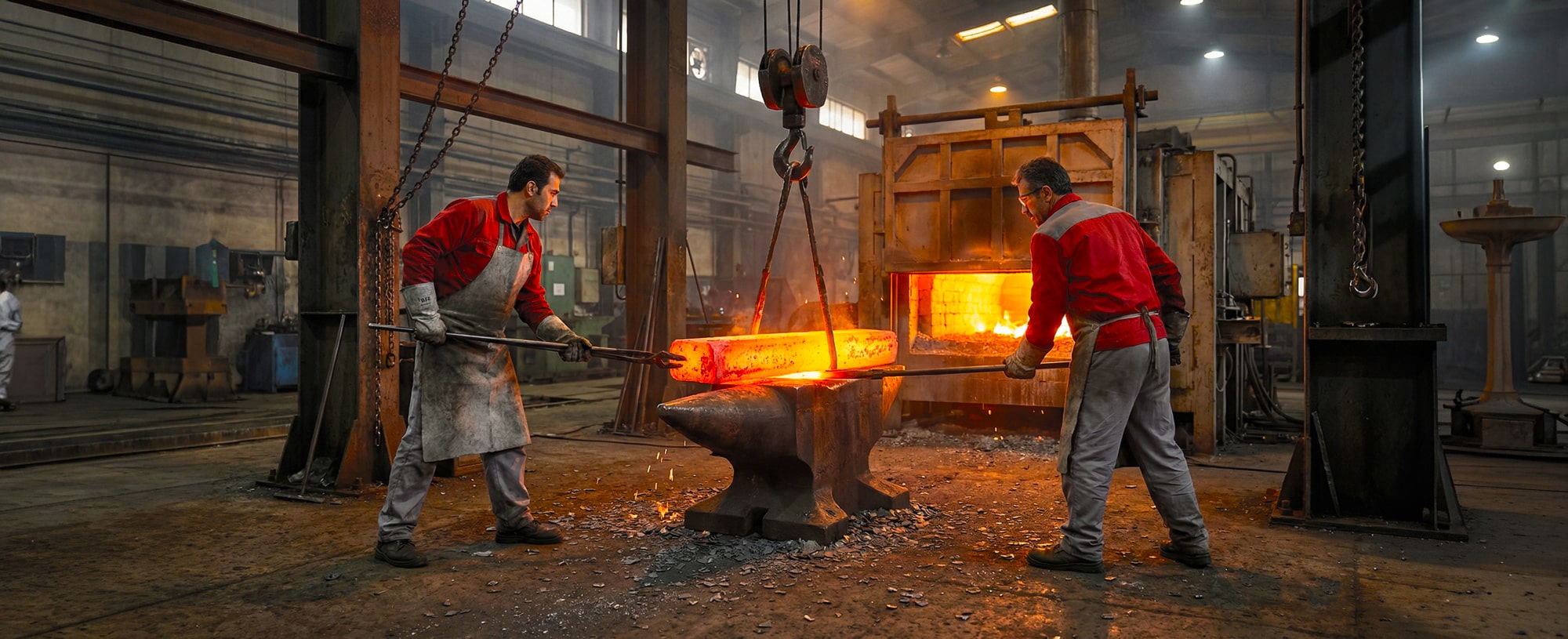
Enhanced metal flow and heat management create robust cast structures with improved toughness, refined grain, and very dependable performance under heavy loads.
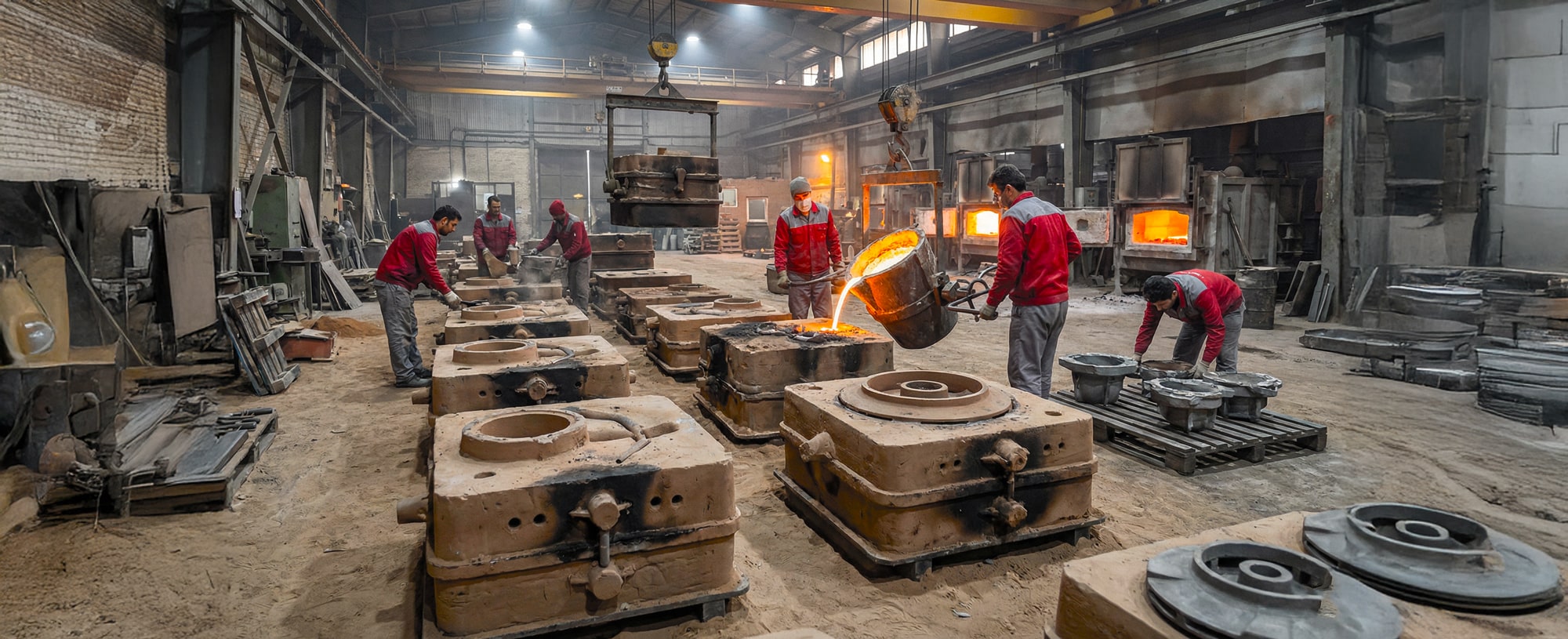
Process-focused casting of industrial parts ensures key dimensional accuracy sound metallurgy, and repeatable quality for pumps, crushers valves, and machinery.
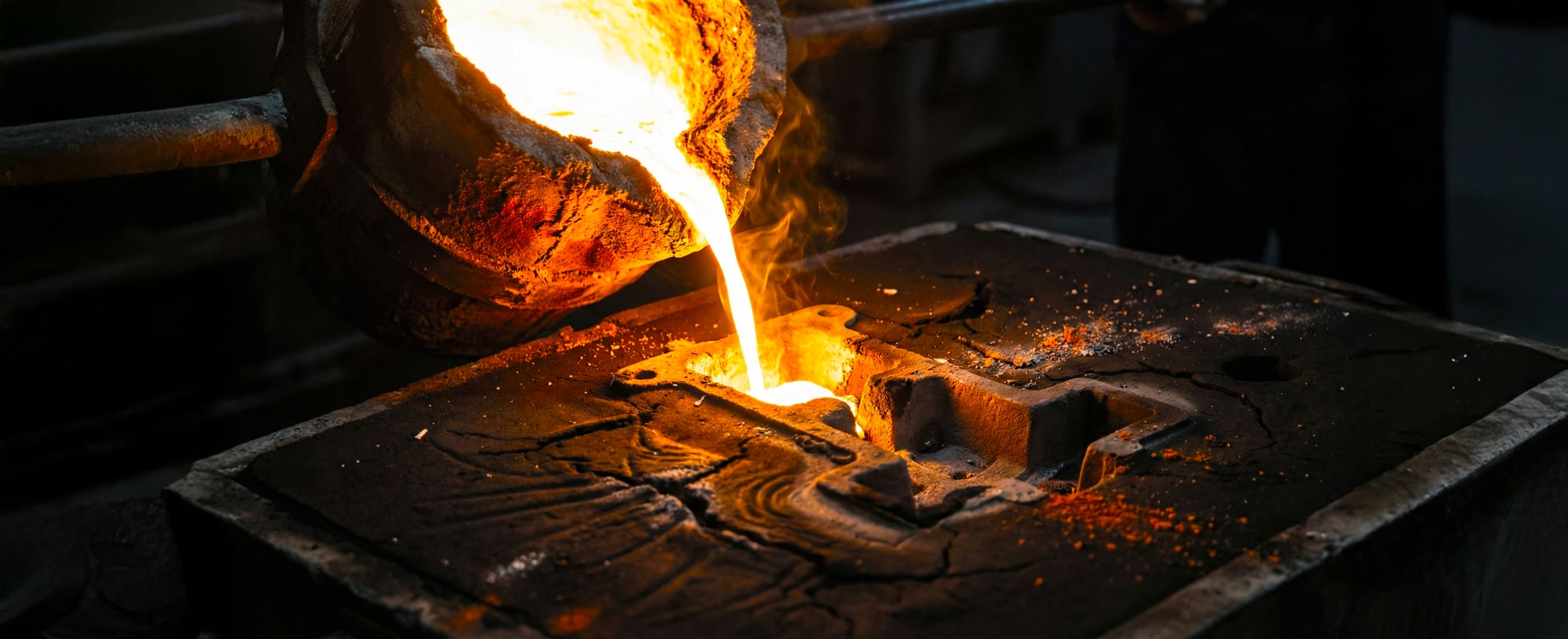
Project-specific patterns alloy selection, and inspection planning produce custom cast parts to match key design requirements, geometry, and service conditions.
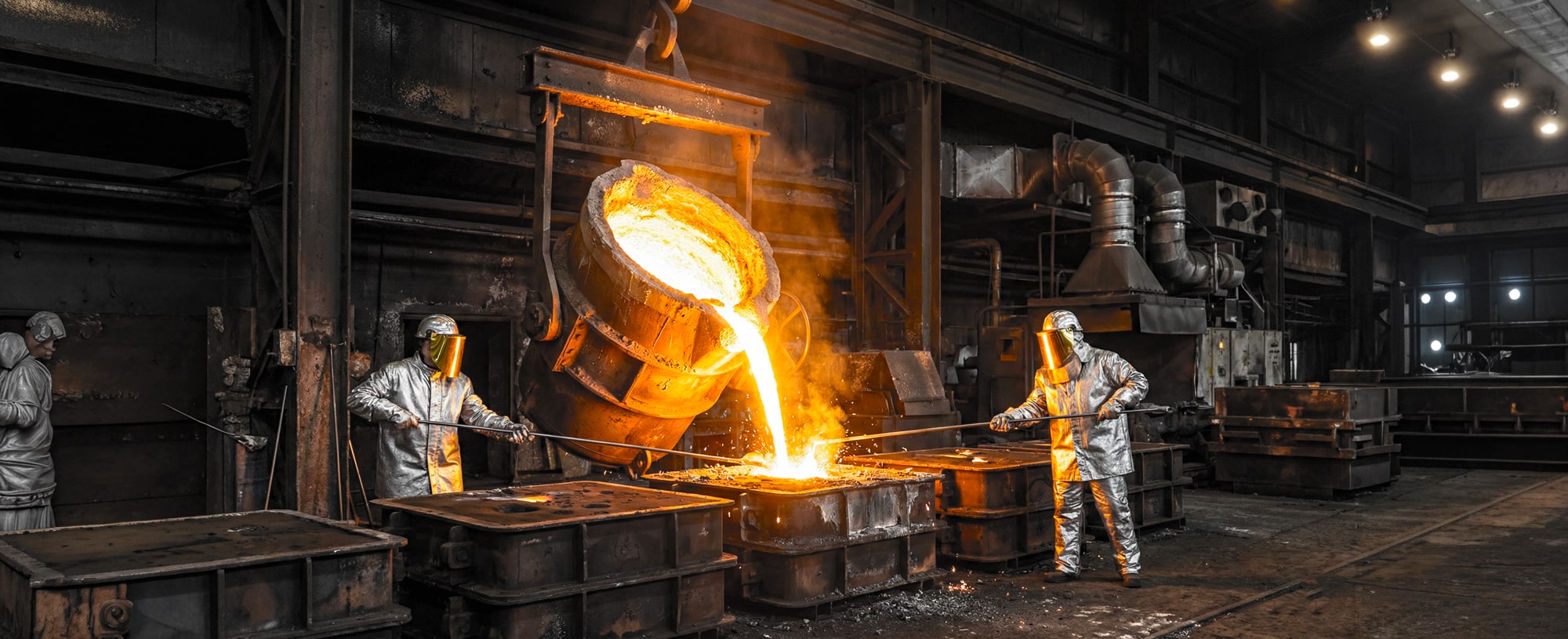
Controlled steel chemistry, deoxidation, and pouring discipline deliver high-strength castings with verified properties for severe-duty industrial applications.
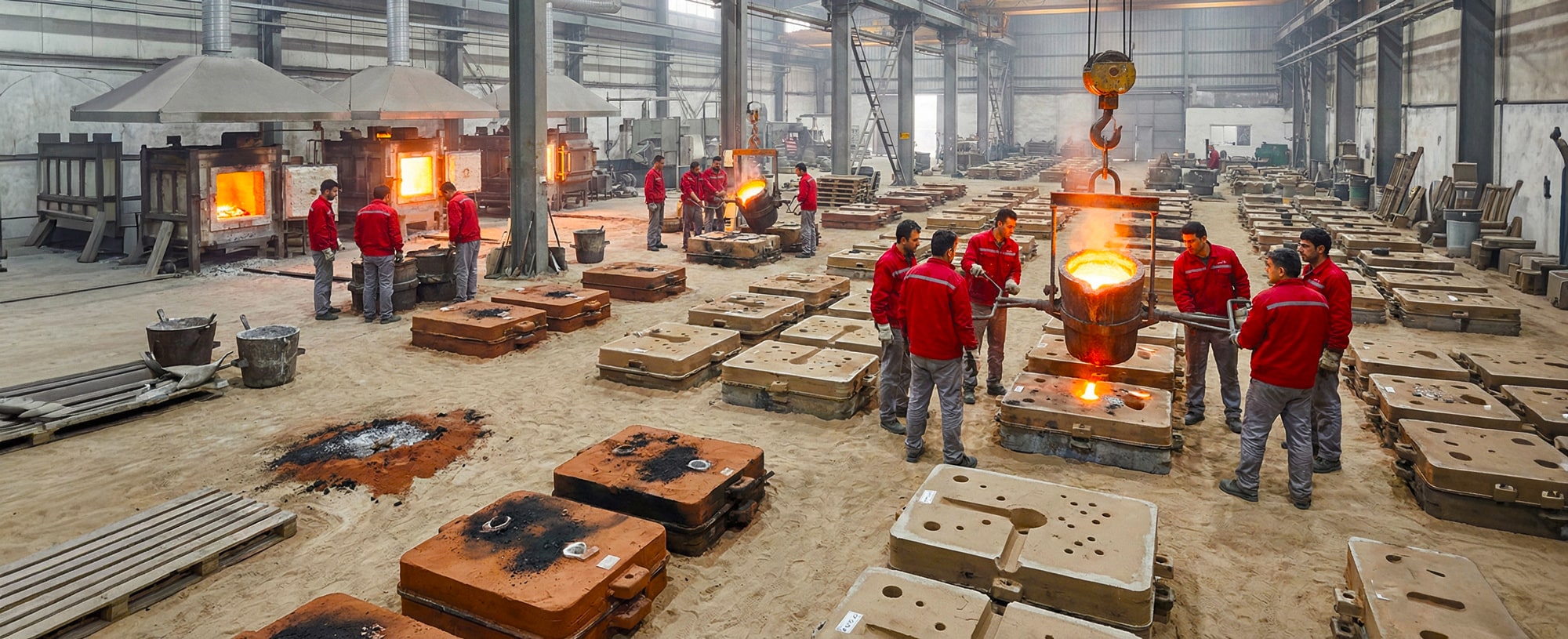
From design to finishing, integrated foundry execution delivers dependable castings with consistent microstructure fit, and longer-term operational reliability.
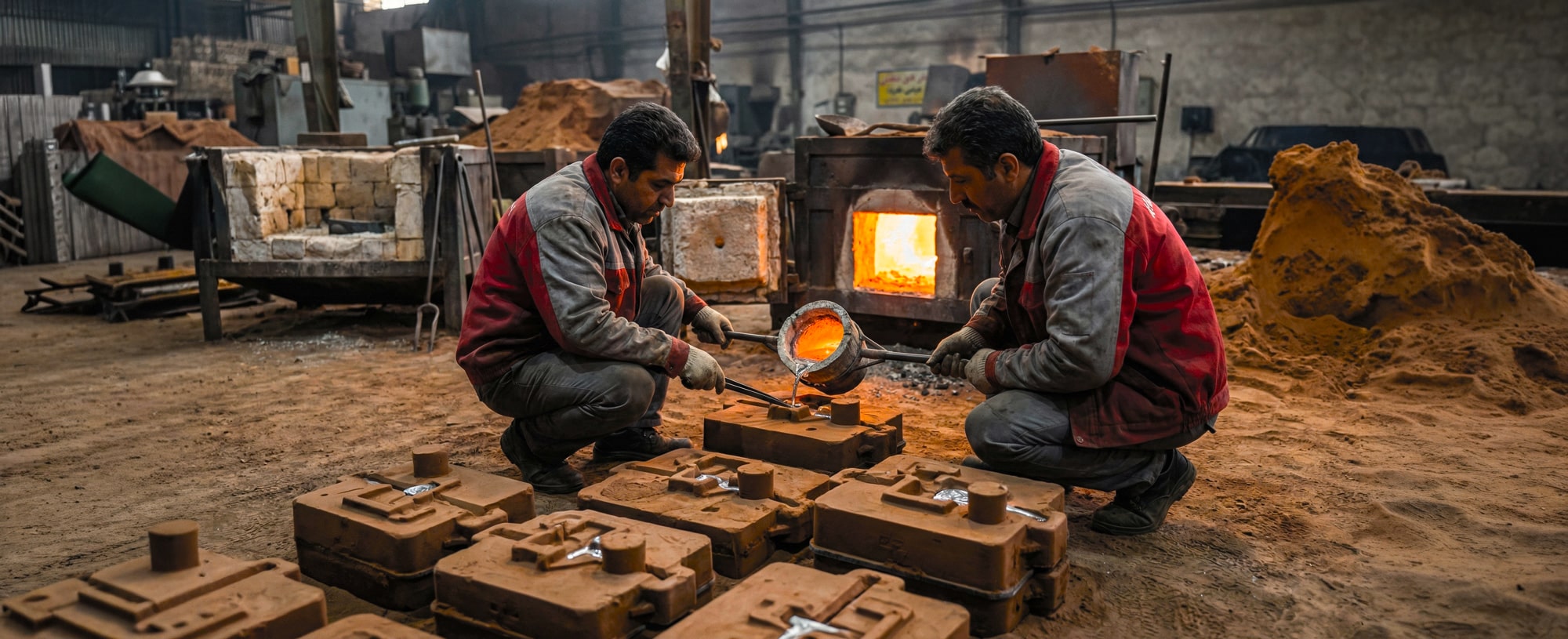
High-accuracy tooling and highly controlled solidification produce near-net-shape castings with fine detail tight tolerances, and minimal post-processing needs.
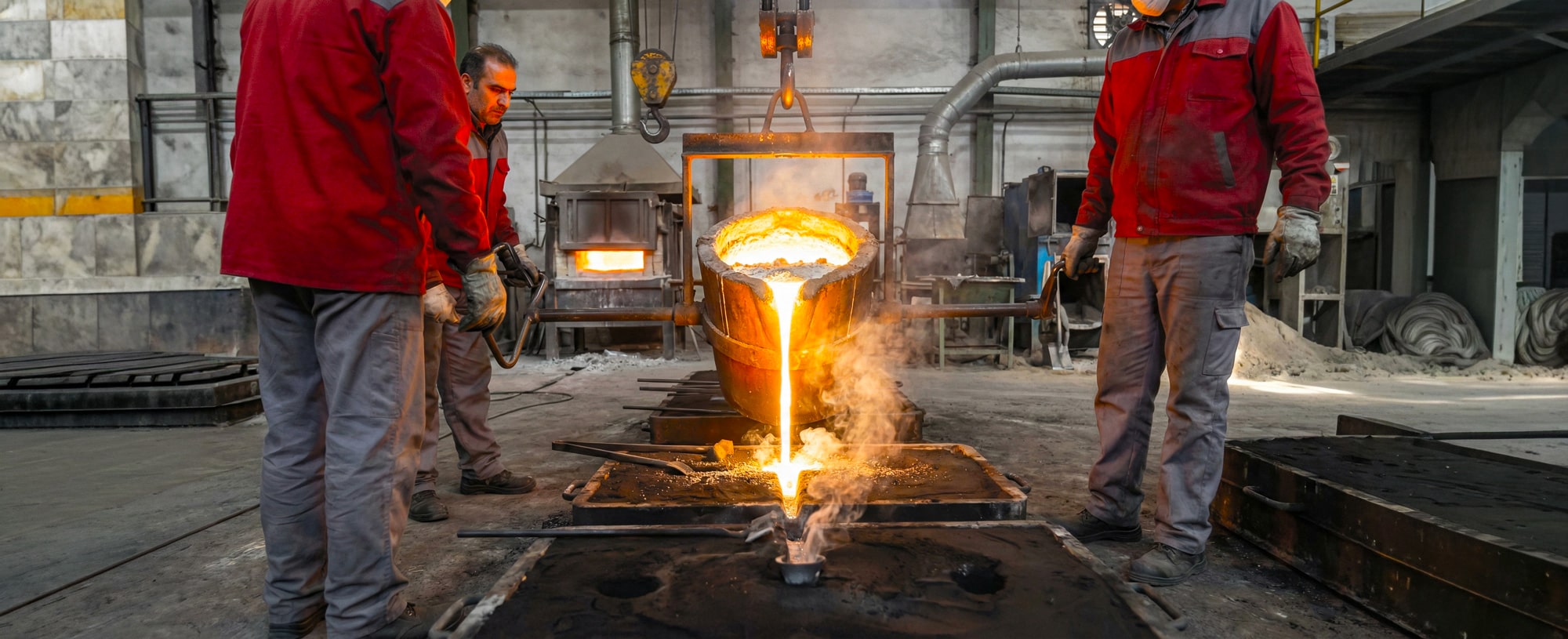
Alloyed steel melting, rigorous temperature control, and testing ensure stronger wear-resistant castings with predictable performance in demanding environments.