Samen Zob

Specialized Casting of Industrial & Mining Parts

Unlocking the Full Potential of Metal: Strength, Hardness, and Durability.

Casting Products Manufacturing

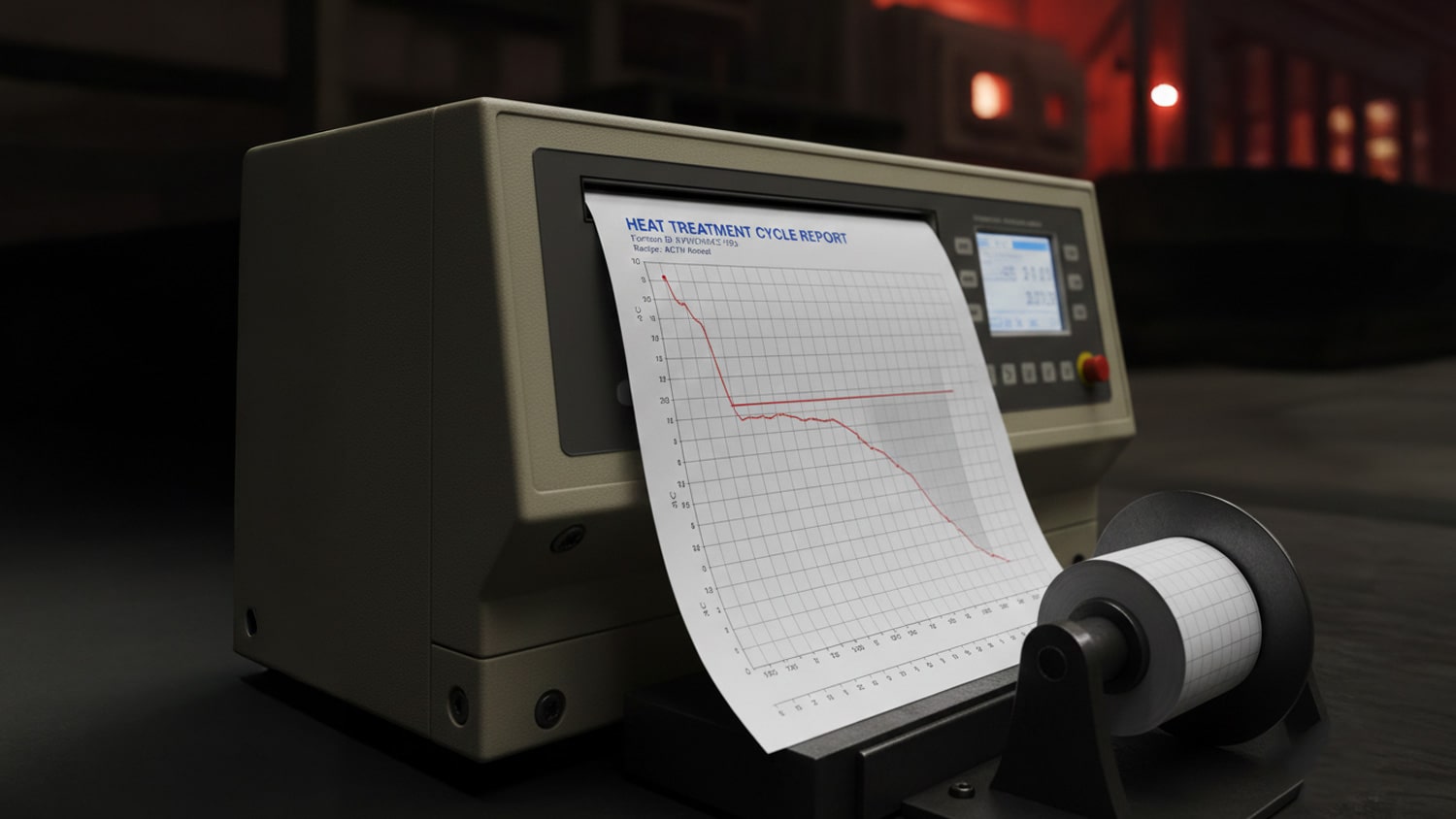
A casting fresh out of the mold rarely has the final mechanical properties required for harsh operating conditions. Heat Treatment is the transformative process where we manipulate the metal’s microstructure using precise heating and cooling cycles. Whether it’s “Normalizing” to relieve internal stresses or “Quenching and Tempering” to maximize hardness for crushing equipment, this stage ensures the product can withstand impact and wear.

Heat Treatment

Through controlled heating, cooling, and microstructure transformation, our heat-treatment systems unlock the full mechanical potential of each component. From normalizing and annealing to quenching and tempering, every cycle is executed with precision to maximize hardness, toughness, and long-term durability under extreme industrial loads.

Process Steps

Each workflow illustrates the essential stages that transform raw concepts into fully engineered, production-ready components—ensuring precision, repeatability, and quality at every step.

Normalizing & Annealing (Stress Relief)

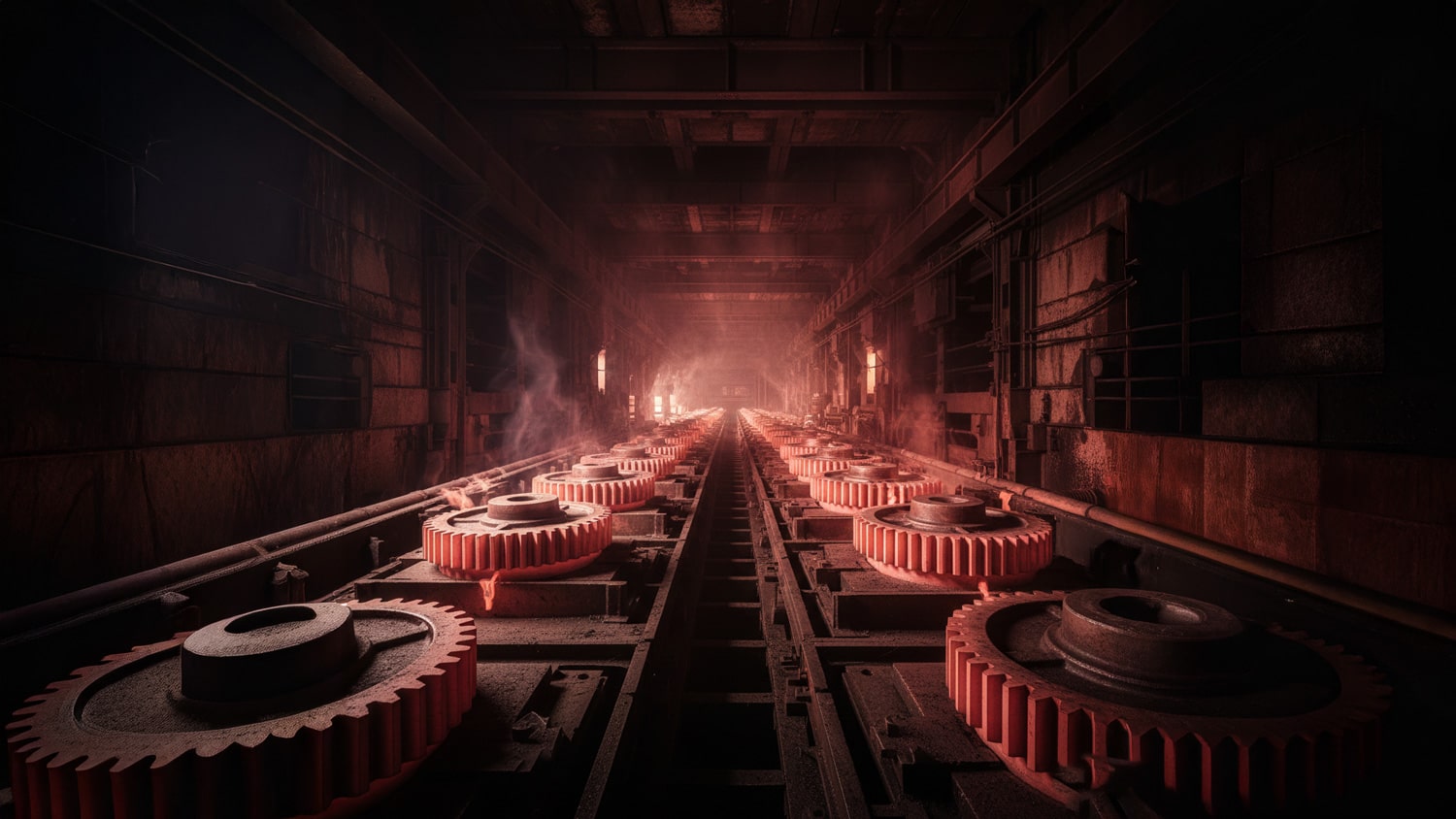
During the casting process, rapid cooling creates internal stresses and an uneven grain structure. To fix this, we place the parts in large furnaces and heat them to a specific temperature (around 900°C), holding them there until the temperature is uniform. We then allow them to cool slowly. This “relaxes” the metal, making it softer, more ductile, and easier to machine.

Quenching (Hardening)

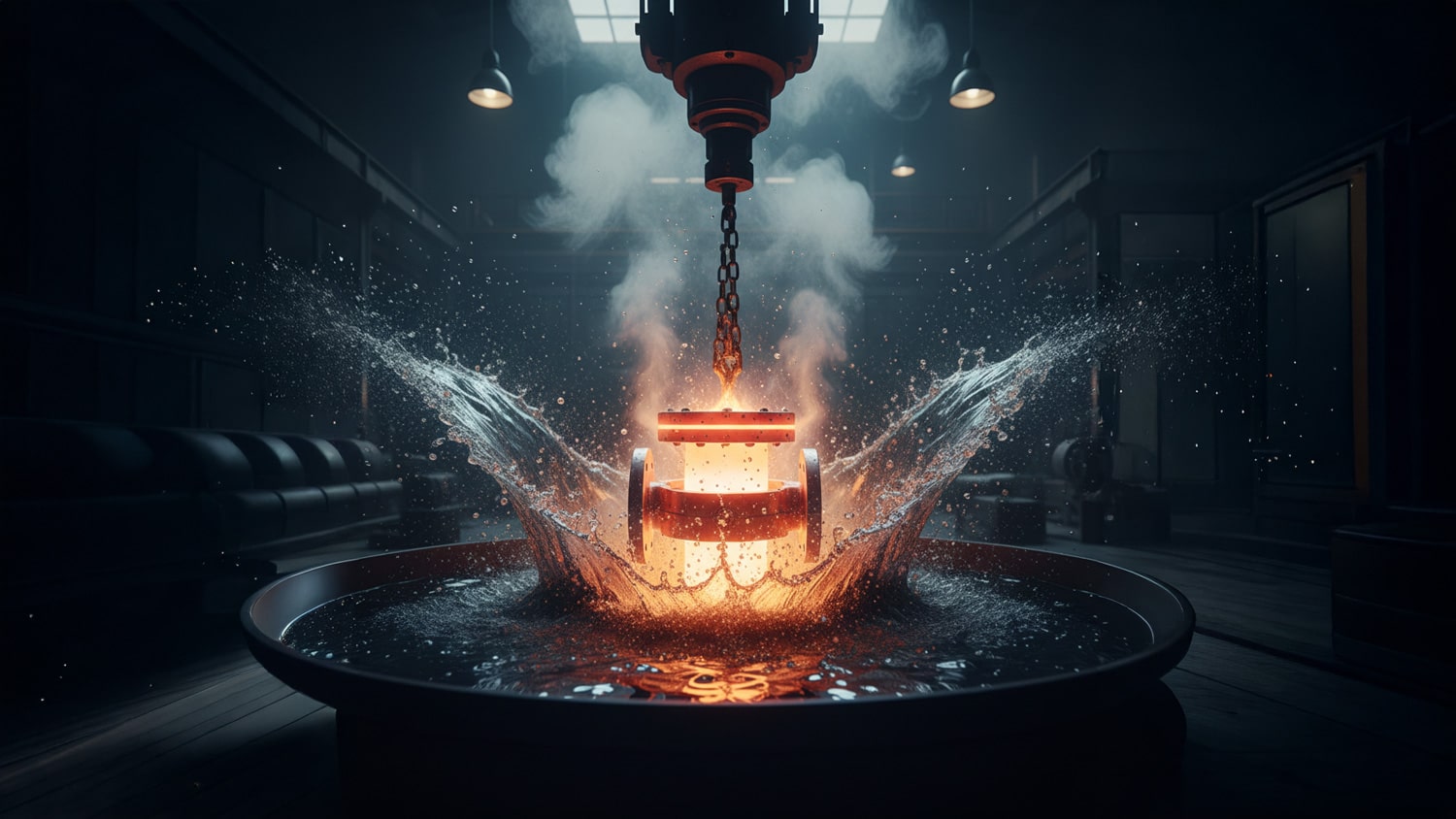
For parts that need to crush rocks (like crusher hammers), softness is not an option. We heat the parts to an austenitic range and then rapidly submerge them in a tank of water, oil, or polymer (Quenching). This “thermal shock” freezes the microstructure instantly, transforming it into Martensite—the hardest form of steel. The result is an extremely hard, wear-resistant surface.

Tempering (Toughness Balance)

A quenched part is hard but also brittle (like glass). To make it usable, we must “Temper” it. We reheat the part to a lower temperature. This sacrifices a tiny bit of hardness to gain a significant amount of toughness and ductility. This precise balance ensures the part won’t shatter under high-impact loads.

The Quench & Temper Cycle: Engineering Strength

Induction furnaces offer superior control over temperature and chemistry. Unlike Cupola furnaces that use coke (coal) and can introduce impurities like sulfur, induction melting is cleaner, eco-friendly, and allows for precise alloying, which is essential for producing high-grade steels and ductile iron.

Frequently Asked Questions

Every infographic presents a clear breakdown of the key technical steps behind our casting and pattern-engineering operations—designed to enhance accuracy, minimize risk, and deliver consistent industrial results.
Why do casting parts need heat treatment?
As-cast parts often have irregular grain structures and internal stresses. Without heat treatment, a part might be too soft and wear out quickly, or too brittle and crack under pressure. Heat treatment tailors the metal properties to fit the exact job requirement.
What is the difference between Annealing and Quenching?
Annealing involves slow cooling to soften the metal and relieve stress (making it easier to machine). Quenching involves rapid cooling to harden the metal (making it resistant to wear). They are opposites in terms of the final result.

Image Gallery

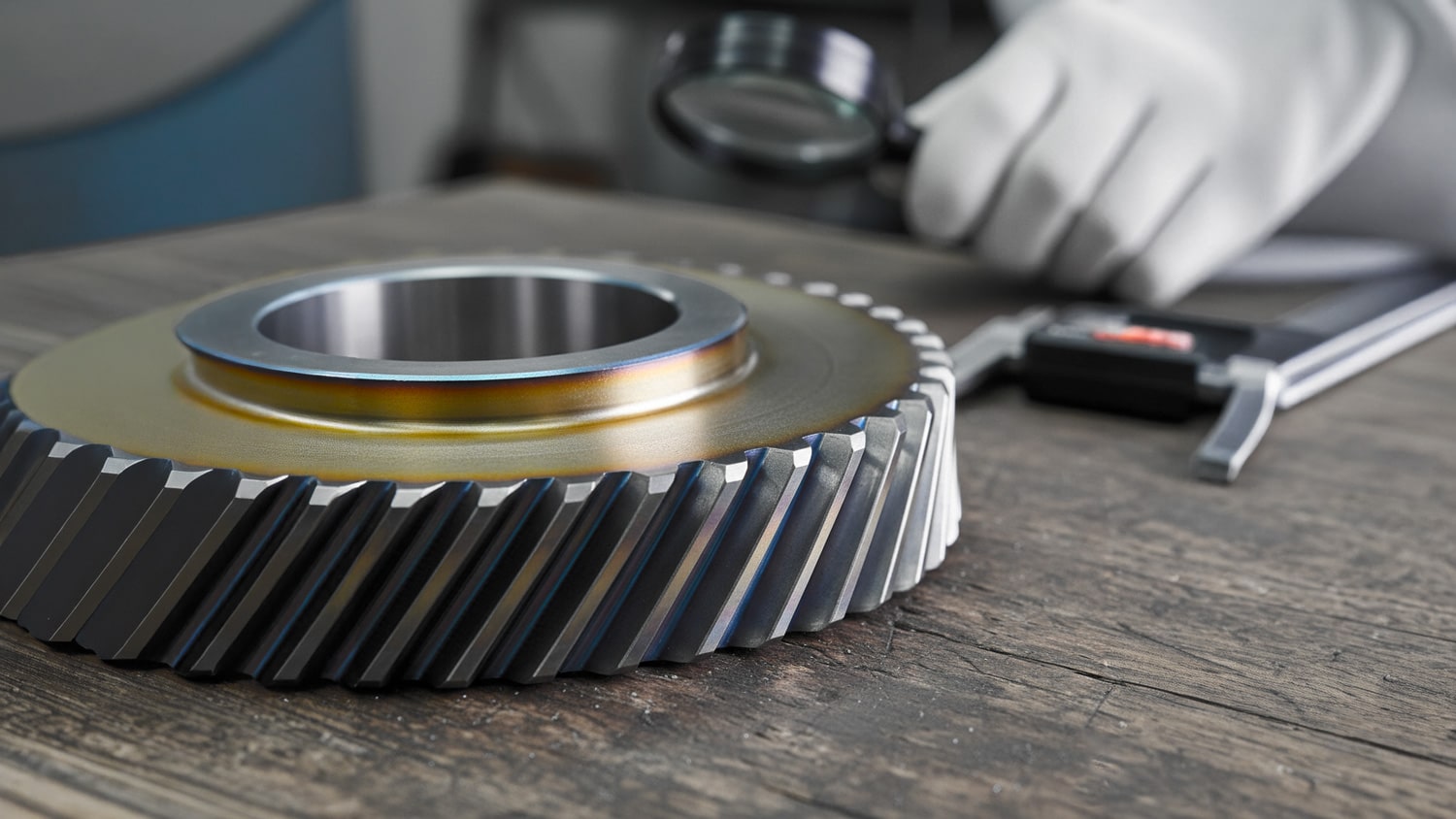
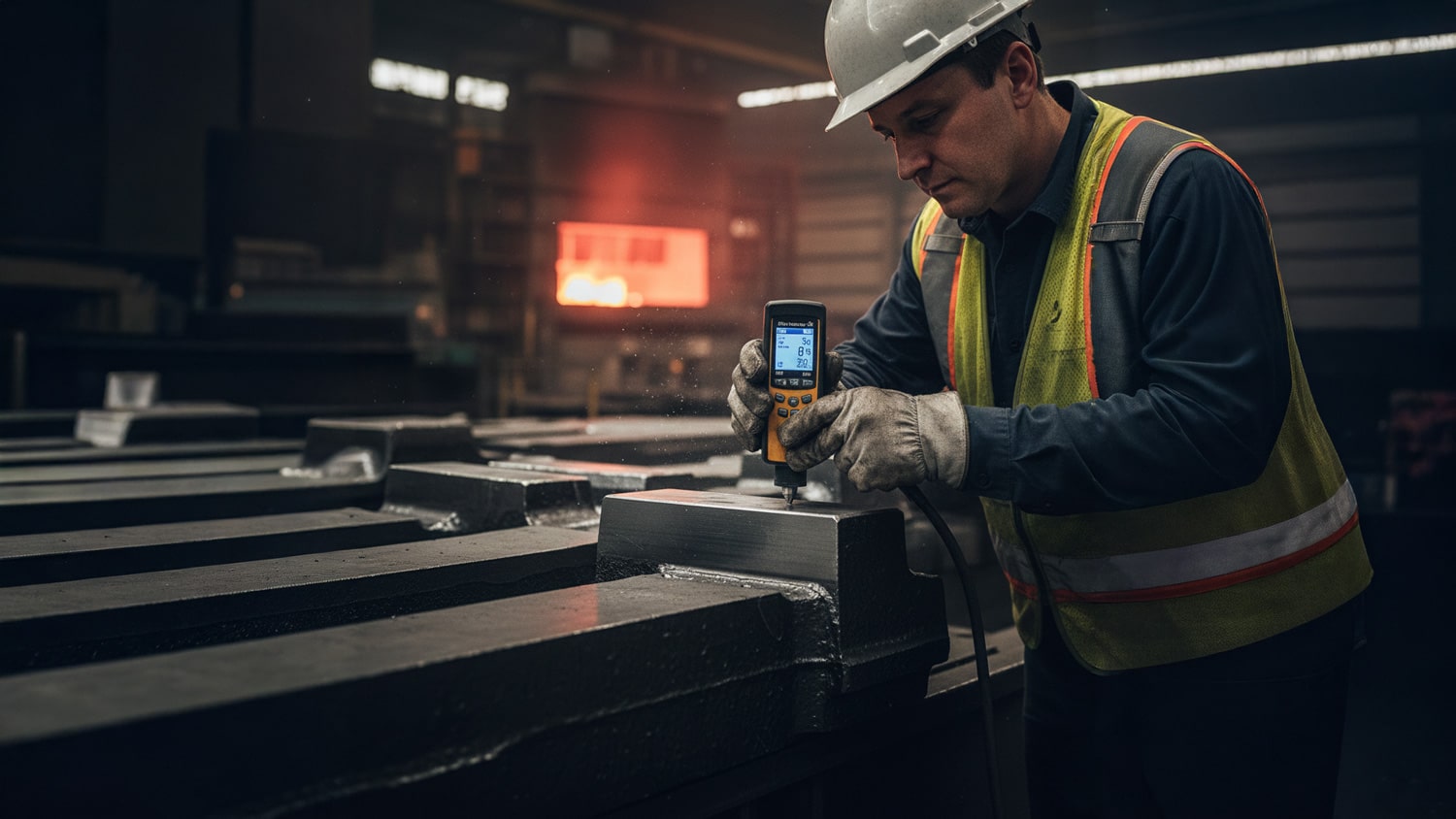
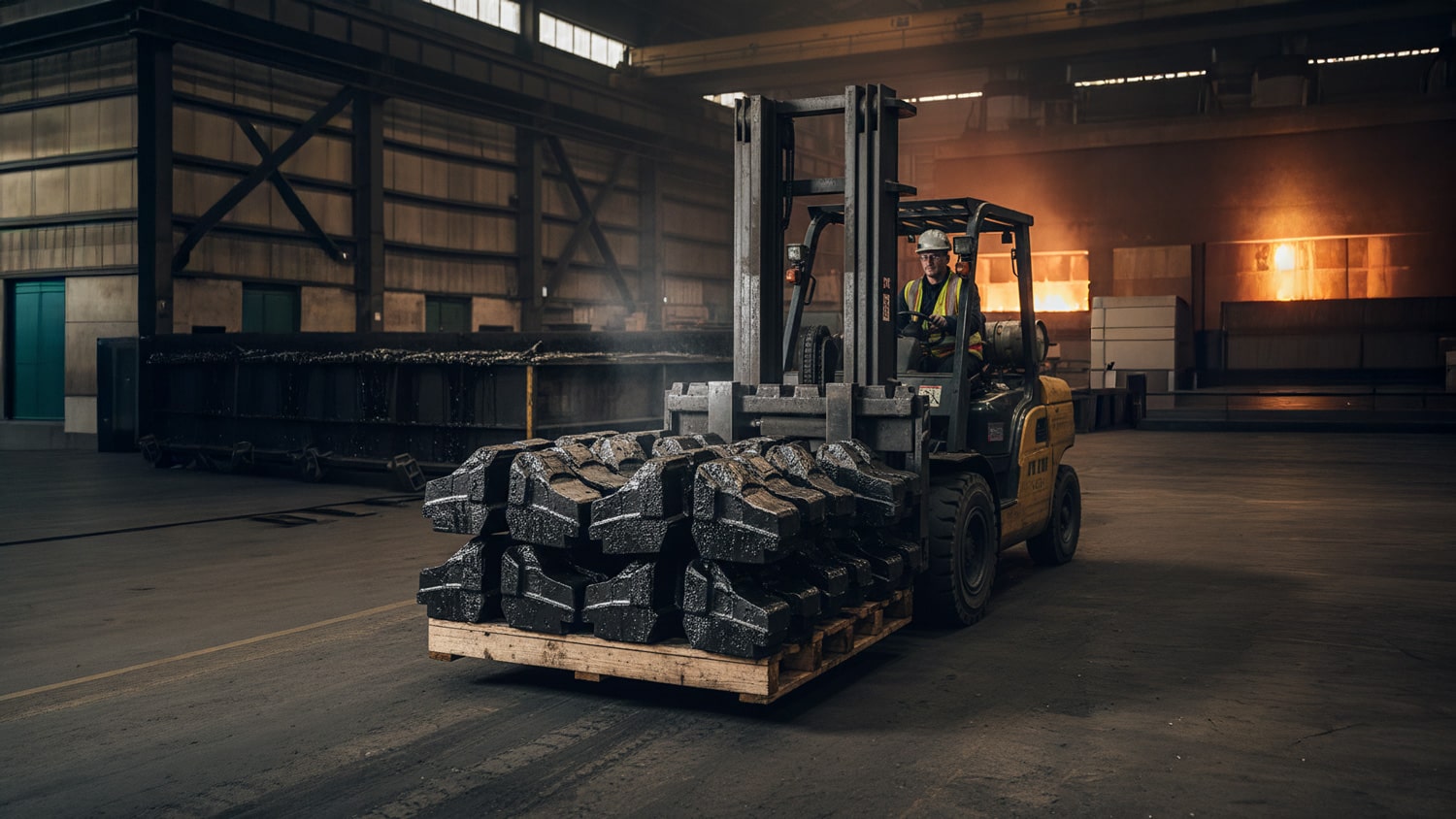
A curated visual collection of real industrial work—from pattern engineering to final cast components—demonstrating our precision, process discipline, and manufacturing quality across diverse projects.