Samen Zob

Specialized Casting of Industrial & Mining Parts
From Reverse Engineering to CNC Pattern Making: Where Quality Begins.

Casting Design and Pattern Engineering

Pattern making and design constitute the most critical phase in the casting lifecycle. The final dimensional accuracy and metallurgical integrity of a part are defined right here. Moving away from traditional manual errors, we utilize advanced CAD/CAM software and solidification simulations to eliminate risks before production. Whether it is a massive mining component or a complex industrial part, our process ensures a flawless start.

Pattern Engineering

Our modern approach to pattern engineering combines digital modeling, CNC machining, and precise material selection to deliver production-ready patterns with exceptional dimensional accuracy. From early concept evaluation to final machining, every stage is engineered to minimize risk and ensure flawless results in downstream casting operations.

Process Steps

Each workflow below illustrates the essential steps required to transform raw concepts into fully engineered, production-ready components.
This structured process ensures precision, repeatability, and quality at every stage.

Reverse Engineering & Blueprint Analysis

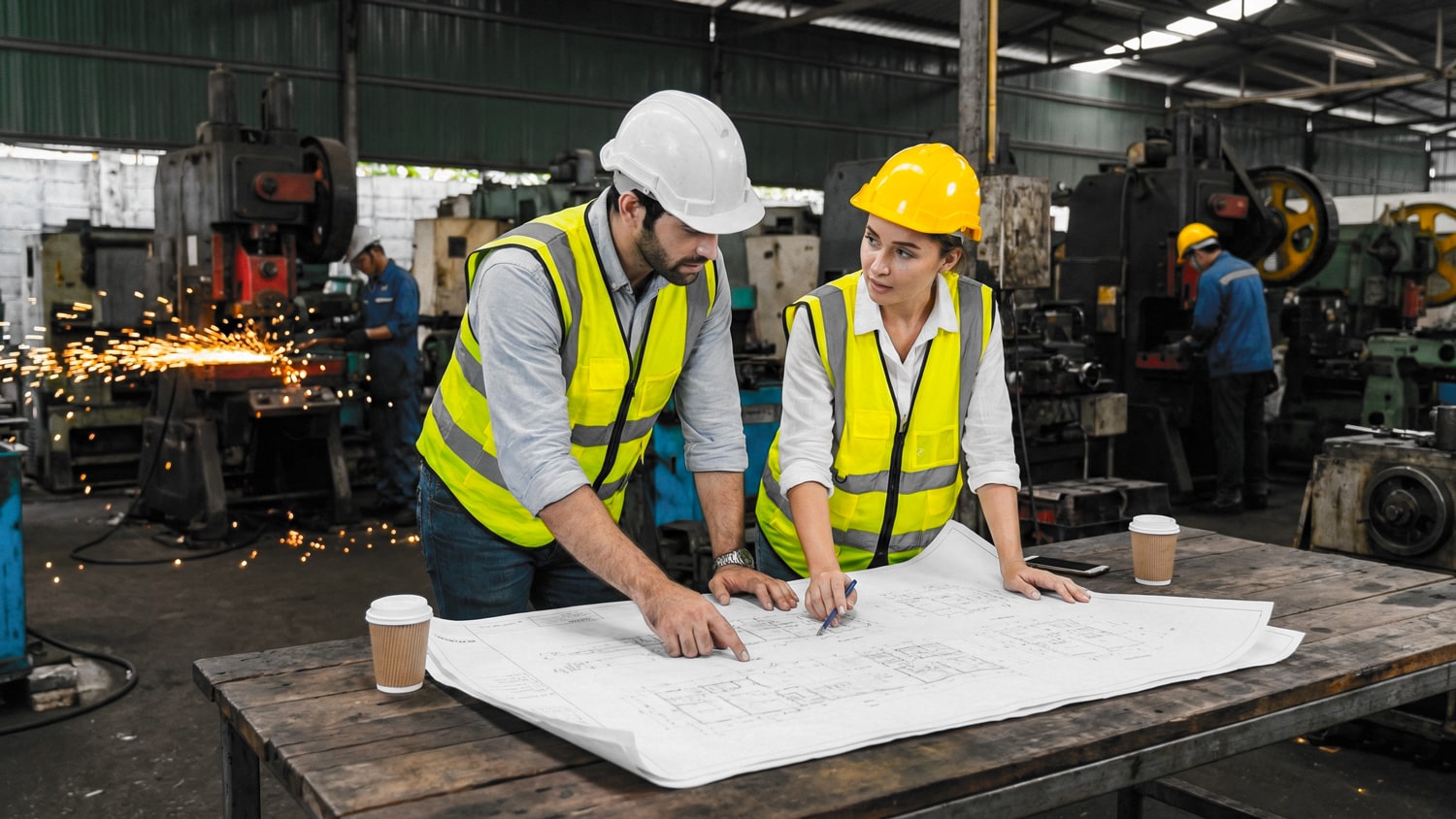
Everything starts with a concept or an existing part. If you have technical drawings, we analyze them immediately. However, if you possess a part without blueprints, our engineering team utilizes advanced 3D laser scanners and precise measuring tools to perform reverse engineering, creating a reliable digital twin of your component.

3D Design & Solidification Simulation (CAD/CAE)

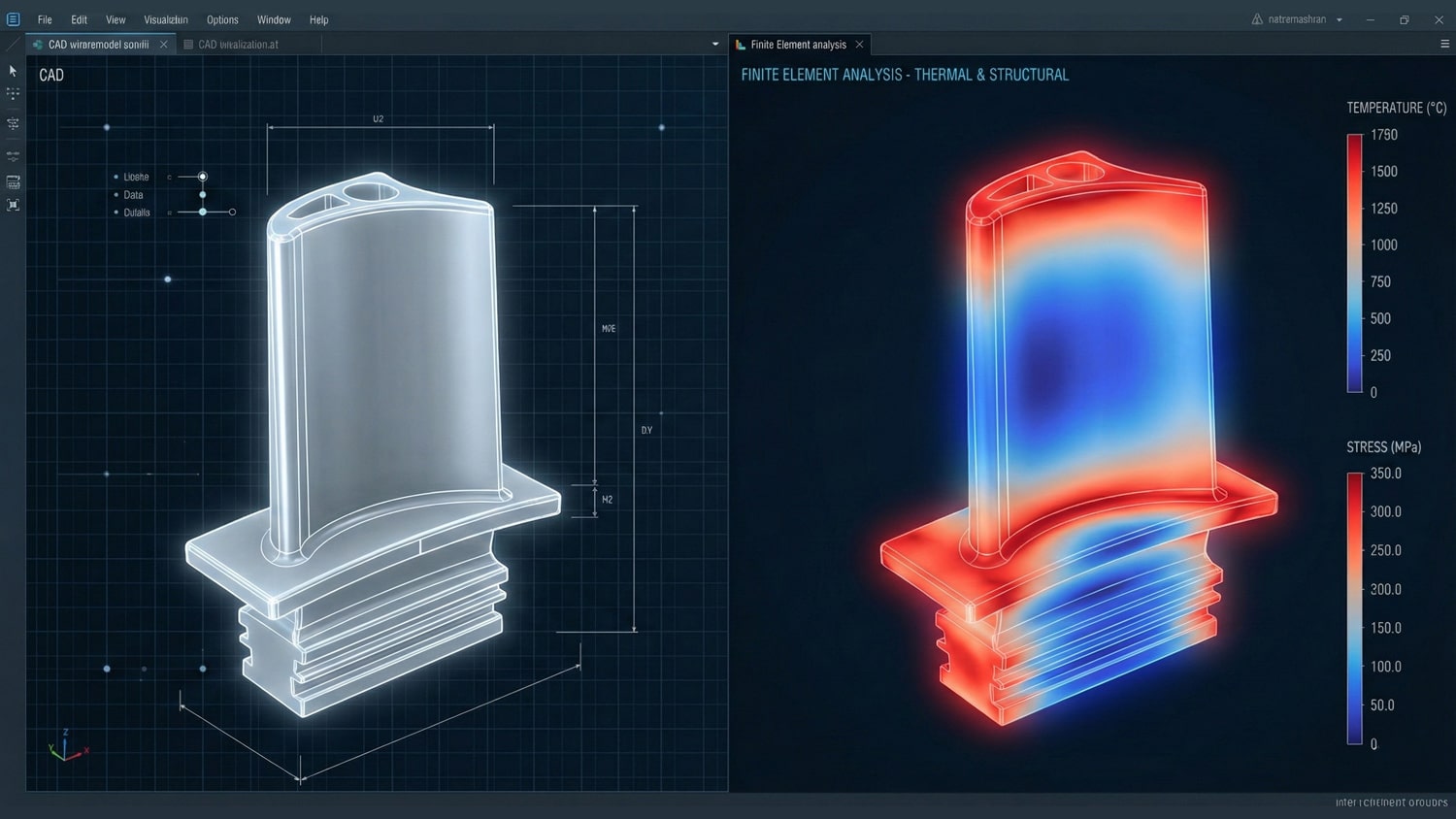
Before any material is cut or melted, the part is constructed virtually. Using software like SolidWorks or Catia, we create the 3D model. Then, using powerful simulation tools like ProCAST, we analyze the molten metal flow and cooling rates. This crucial step predicts and prevents potential defects such as porosity or shrinkage cavities before actual production.

CNC Pattern Making

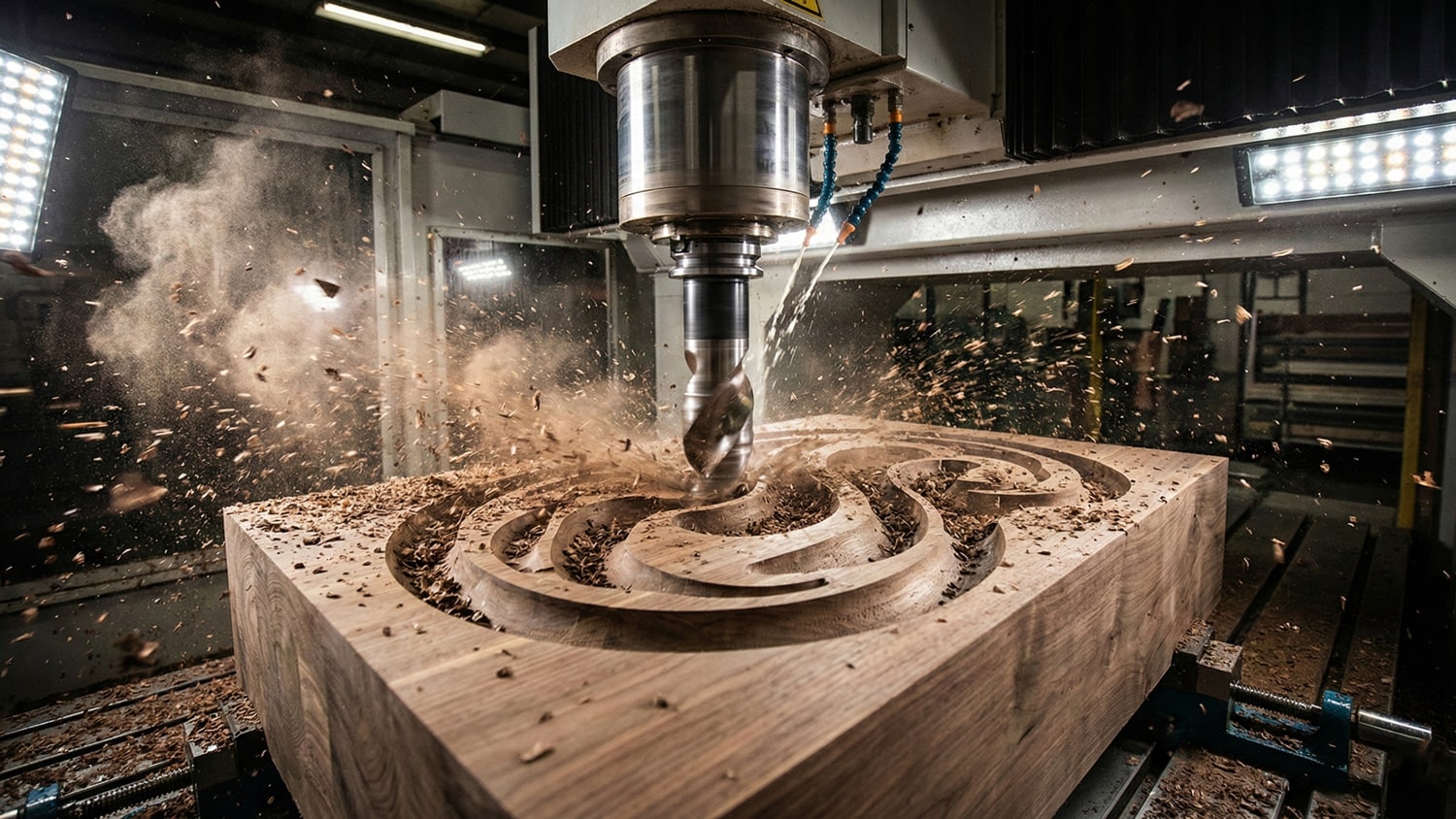
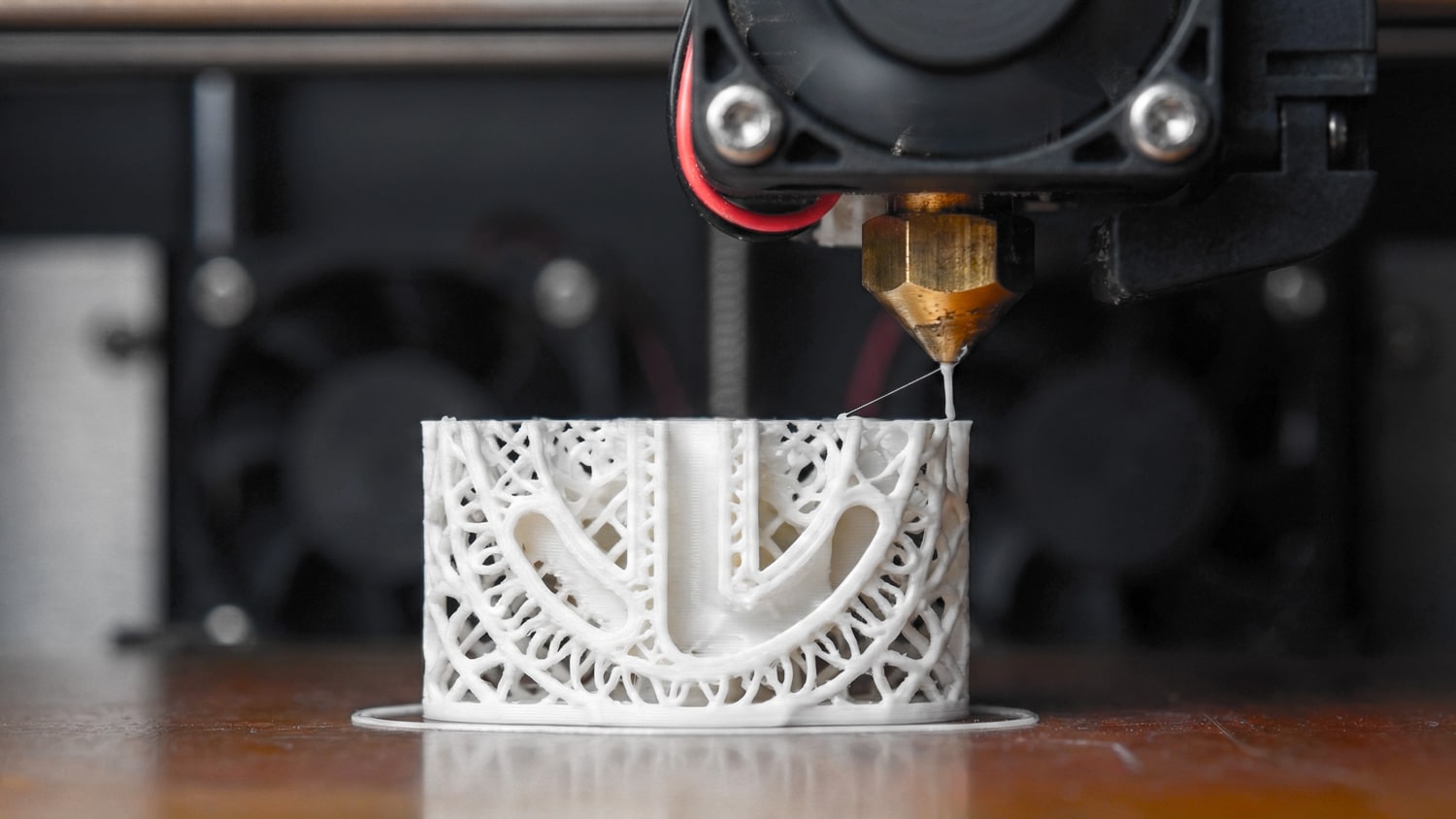
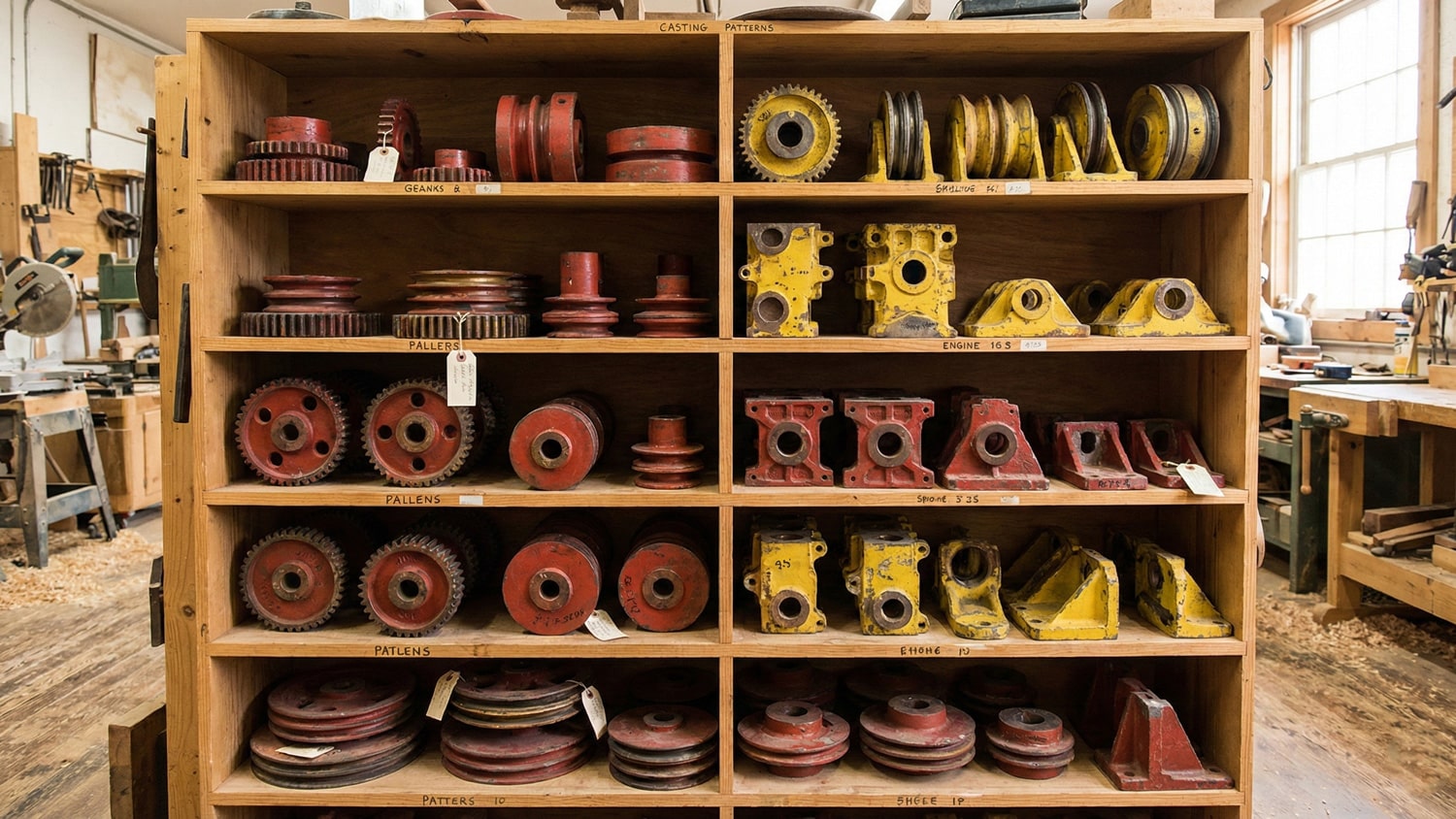
Once the design is approved, the data is sent to our high-precision CNC machines. The pattern material is selected based on production volume: “Styrofoam (Lost Foam)” for large, single-run complex parts, “Wood” for medium batches, and “Aluminum/Metal” for mass production. Our CNC accuracy ensures the pattern matches the engineering specs down to the micron.

The Integrated Design-to-Pattern Workflow at Avangard

This FAQ section summarizes important technical points about our casting and pattern-engineering processes. It helps you understand essential considerations, performance factors, and practical details before moving forward with design, manufacturing, or material selection.

Frequently Asked Questions

Each infographic highlights the key technical stages behind our casting and pattern-engineering operations. These steps provide a clear, structured overview of how every component evolves from concept to production-ready form—with precision, consistency, and predictable results.
What is the difference between Styrofoam and Wood patterns?
Styrofoam (Lost Foam) patterns are typically single-use (sacrificial) and are ideal for very large or complex parts where removing a solid pattern would be difficult. Wood patterns are reusable and offer a cost-effective solution for medium production runs (e.g., up to 30 castings).
Can you manufacture a part without technical drawings?
Yes. We specialize in Reverse Engineering. You simply provide the physical sample (even if worn out or broken). We use 3D scanning and material analysis to generate precise technical blueprints and reproduce the part with equal or improved quality.

Image Gallery

Explore a curated showcase of real production work—from pattern manufacturing to final cast components.
These images reflect our commitment to precision, material control, and consistent industrial craftsmanship across a wide range of projects and casting methods.